AI
Artificial Intelligence: Transforming the Way We Live and Work
Artificial Intelligence, commonly known as AI, has become one of the most important technologies of the modern world. From smartphones and social media to healthcare, education, business, and entertainment, AI is becoming a part of our everyday lives. It allows computers and machines to perform tasks that normally require human intelligence, such as understanding language, recognizing images, solving problems, learning from information, and making predictions.
What Is Artificial Intelligence?
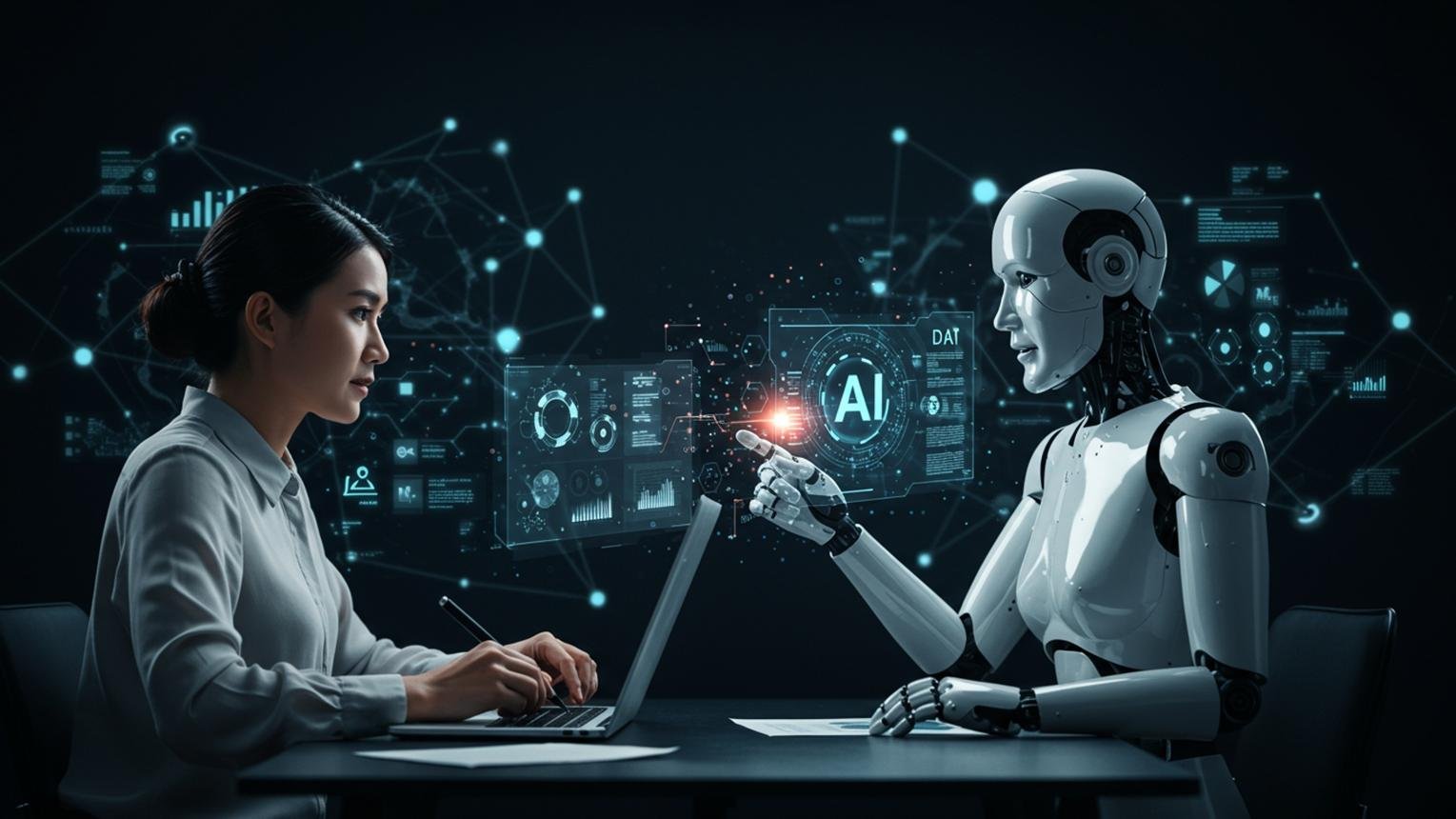
Artificial Intelligence is a branch of technology that allows machines to process information and perform tasks that normally require human intelligence. AI systems can analyze large amounts of data, identify patterns, understand language, generate content, and provide recommendations.One of the most visible developments in recent years is Generative AI. Unlike traditional software that follows fixed instructions, generative AI can create new text, images, audio, video, and other forms of content based on a user's instructions or prompts.
How Does AI Work?
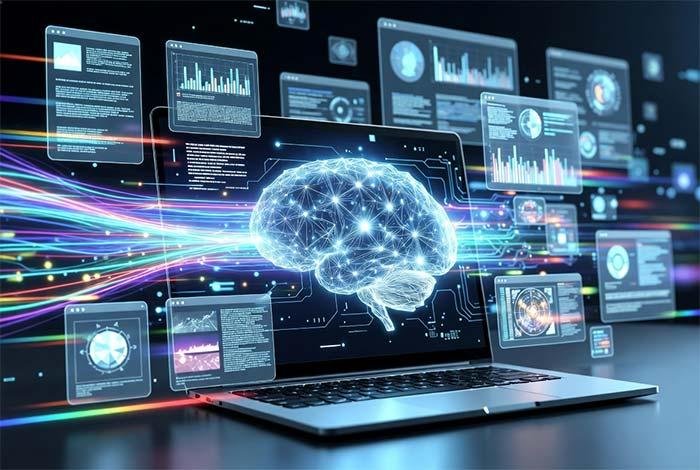
AI depends on three major elements: data, algorithms, and computing power. AI models are trained using large amounts of information. During training, the system learns patterns and relationships in the data. Machine learning allows these systems to improve their ability to make predictions or classifications.Deep learning is a type of machine learning that uses large neural networks to process complex information. It is particularly useful for areas such as language processing, image recognition, and other tasks involving large and complicated datasets
AI in Everyday Life
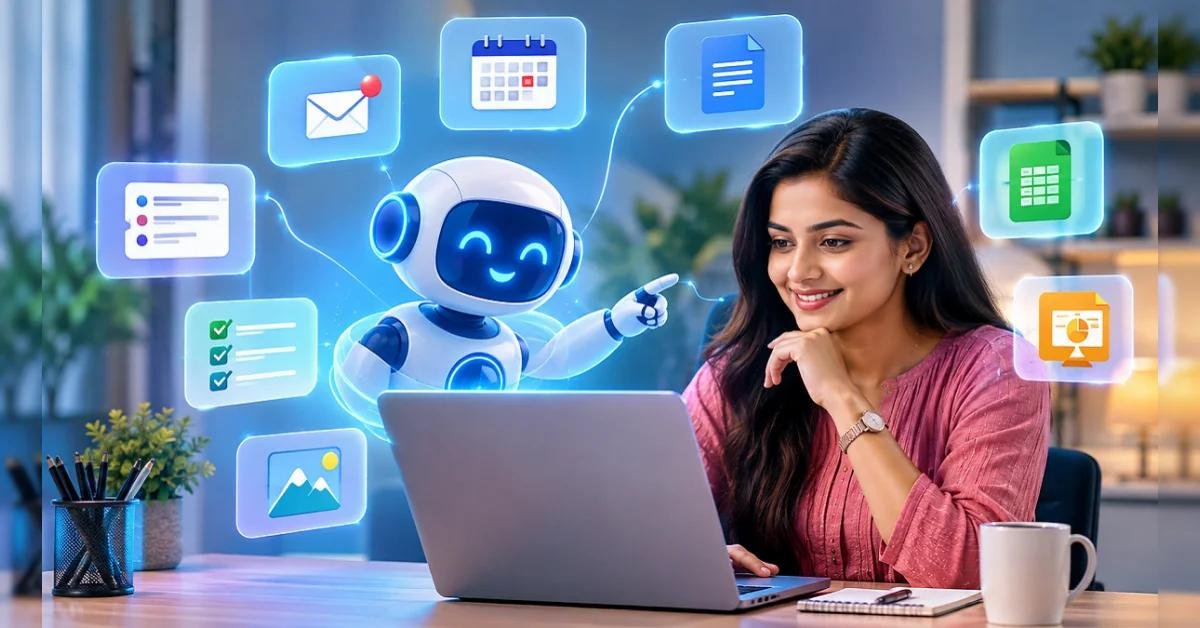
Many people use AI every day without realizing how frequently they interact with it. Voice assistants can understand spoken questions, streaming platforms recommend movies and music, navigation applications suggest routes, and online stores recommend products based on previous activity.AI is also becoming an important tool for content creators, students, teachers, designers, programmers, and business owners. It can help generate ideas, summarize information, create drafts, analyze data, and automate repetitive tasks.

AI in Business and Digital Marketing
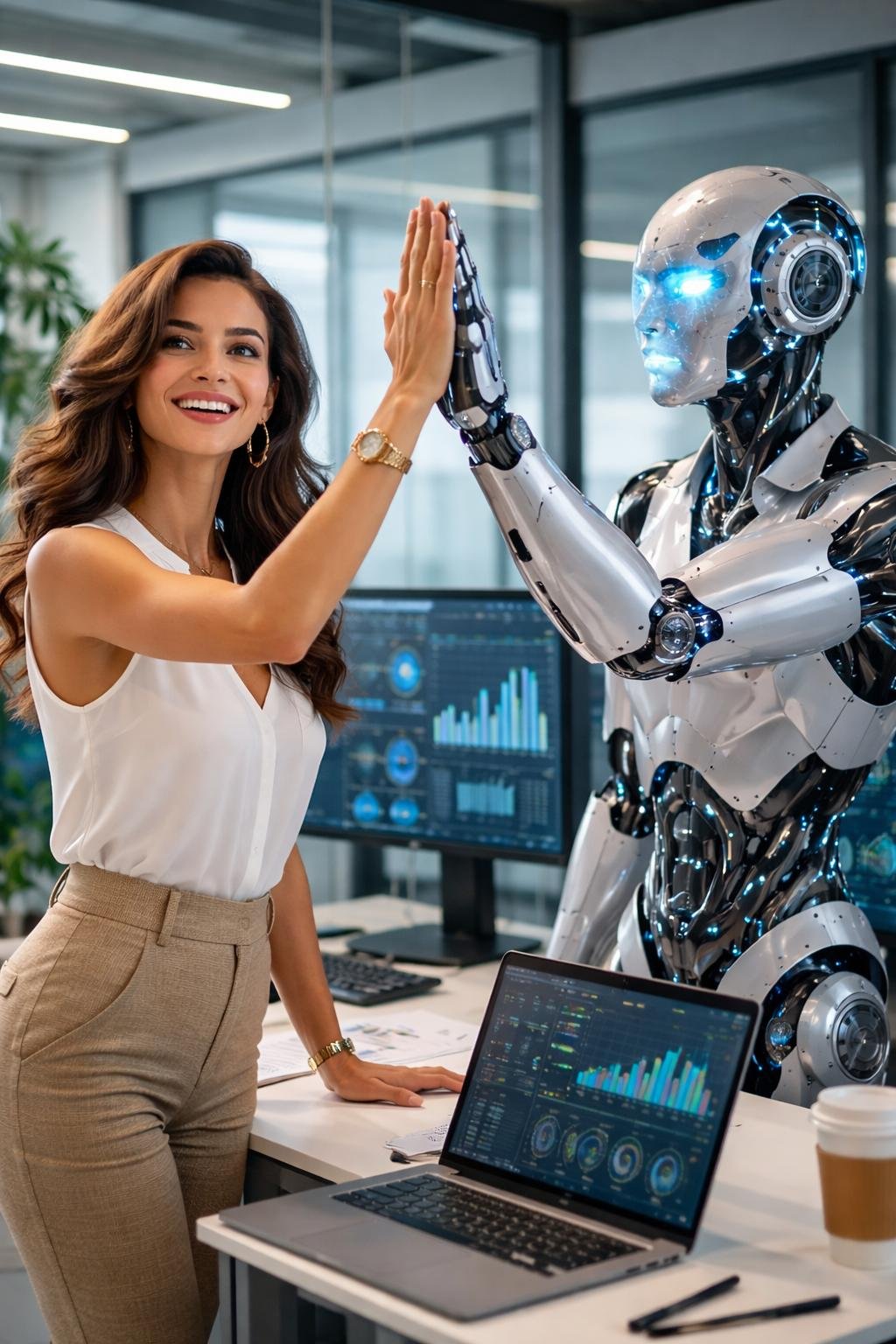
Businesses are increasingly using AI to improve productivity and customer experiences. AI can help companies analyze customer data, automate workflows, provide customer support, forecast demand, detect unusual activity, and personalize marketing campaigns.For digital marketers, AI can be especially useful. It can assist with content ideas, keyword research, social media planning, audience analysis, advertising concepts, and customer communication. Small businesses can use AI to increase their capacity without needing large teams for every task.However, AI should be treated as a tool rather than a complete replacement for human creativity and judgment. Human review is still important, particularly when accuracy, originality, brand identity, or sensitive information is involved.
Benefits of Artificial Intelligence
AI offers several important advantages. It can automate repetitive work, analyze information quickly, support decision-making, reduce certain types of human error, and provide services continuously.In healthcare, AI can assist professionals in analyzing medical information. In education, it can support personalized learning. In businesses, it can improve customer service and operational efficiency. In manufacturing, AI can help predict equipment problems before they cause major disruptions.The greatest advantage of AI is its ability to help people spend less time on repetitive tasks and more time on creative, strategic, and human-centered work.
Conclusion
Artificial Intelligence is no longer just a futuristic concept. It is already influencing how we search for information, create content, shop online, study, communicate, and run businesses. Its possibilities are enormous, but responsible use is equally important.As AI continues to evolve, the goal should be to use this technology wisely—combining the speed and capabilities of machines with human creativity, judgment, empathy, and innovation. The future of AI is not only about smarter machines; it is about how humans choose to use those machines to create a better future.


Leave a Reply